

Hello friends and colleagues.
For many families asthma symptoms may have been relatively quiet during the break, leading to complacency around inhaler use. However, the first few weeks of term can quickly reveal gaps in asthma control. Coughing at night, wheezing during exercise, increased use of reliever inhalers, and school absences can all signal worsening asthma. This makes the start of the academic year an ideal opportunity for healthcare professionals to reinforce key asthma messages with both parents and children. So, what advice should we be giving?
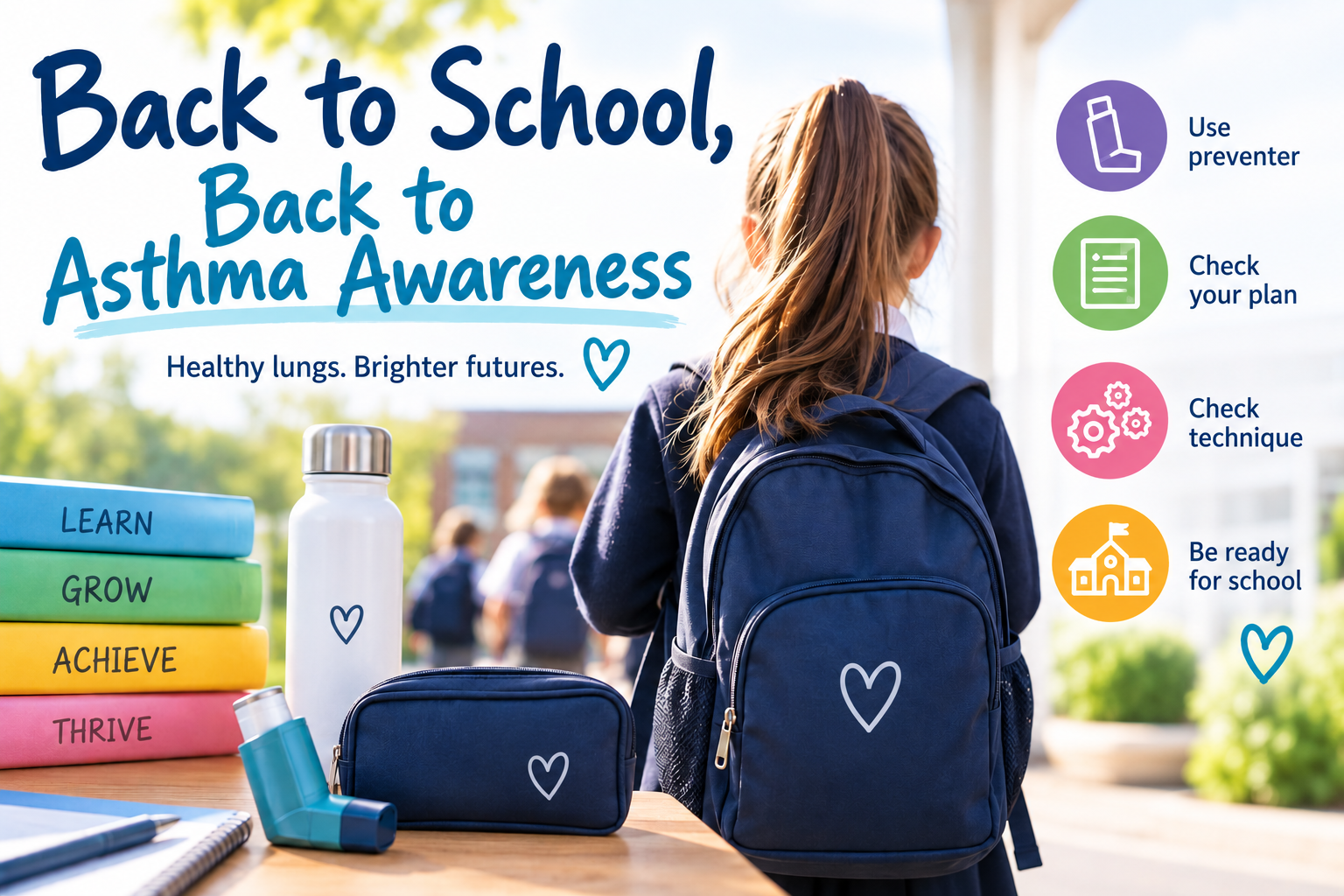
The cornerstone of asthma management remains regular use of prescribed preventer inhalers. Preventer medication reduces airway inflammation and significantly lowers the risk of exacerbations. Parents should also ensure that inhalers are in date and that sufficient supplies are available both at home and school.
Every child with asthma should have an up-to-date personalised asthma action plan. These plans help families recognise early warning signs of deterioration and provide clear instructions on when to increase treatment or seek medical advice. Reviewing action plans before or shortly after the start of term can empower parents and improve confidence in managing symptoms.
Inhaler technique is another frequently overlooked issue. Studies consistently show that poor technique contributes to inadequate asthma control. A quick demonstration and assessment during a routine review can identify common errors and ensure children receive the full benefit of their medication. The use of a spacer should also be encouraged where appropriate.
Schools play a vital role in asthma management. Parents should inform teachers and school staff about their child’s asthma and ensure that emergency medication is readily accessible. Older children should be encouraged to take ownership of their condition and understand when and how to use their inhalers. Open communication between families, schools, and healthcare professionals helps create a safe environment for children with asthma.
The return to school also brings increased exposure to respiratory viruses, a major trigger for asthma attacks. We should remind families about good hand hygiene, adequate sleep, regular physical activity, and staying up to date with recommended vaccinations, including influenza vaccination where eligible.
By taking a proactive approach at the start of term, we can help families stay ahead of the September spike, improve asthma control, and ensure children enjoy a healthy, active, and successful school year. A simple review, a refreshed action plan, and reinforcement of key self-management messages can make all the difference.
Best Wishes
Michelle